
Wet Process Rotary Cement Kilns manufacturer Grasping strong production capability, advanced research strength and excellent service, Shanghai Wet Process Rotary Cement Kilns supplier create the value and bring values to all of customers.
 WhatsApp)
Wet process the rotary kiln is an essential and important component of a cement manufacturing factory it is made of a thick steel cylinder of diameter anything from 3 meters to 8 meters lined with refractory materials mounted on roller bearings and capable of rotating about its axis at
Rotary cement kiln process kiln feed for a wet process kiln has a water content of approximately 40 in the charging zone of a wet process kiln steel chains are used as heat exchangers in the drying process chains extract heat from the kilns hot exhaust gases to dry the slurry feed
Burning in this operation the slurry is directly fed into a long inclined steel cylinder called rotary kiln there are 3 different zones shown in fig below cement manufacturing process flow chart i drying zones in the wet process the drying zone is comparatively larger than dry process in is because the raw material in slurry form is directly fed into the kiln which has
Wet process kilns the original rotary cement kilns were called wet process kilns in their basic form they were relatively simple pared with modern developments the raw meal was supplied at ambient temperature in the form of a slurry a wet process kiln may be up to 200m long and 6m in diameter
The cement rotary kiln is mainly used for cement clinkercement kiln dry process production of cement kiln and wet two categories get price and support online download rotary kiln handbook feeco this handbook gives an overview of the rotary kiln design process chemical thermal analysis as well a basic background on rotary kilns much
Wet process kilns the original rotary cement kilns were called wet process kilns in their basic form they were relatively simple compared with modern developments the raw meal was supplied at ambient temperature in the form of a slurry a wet process kiln may be up to 200m long and 6m in diameter
Rotary cement kilns can be classified into wetprocess kilns semidry kilns dry kilns preheater kilns and precalciner kilns the pertinent process chemistry and the heat requirements that drive them so as to be consistent with the transport phenomena theme are shown cooling jacket cement rotary kiln edilemultiserviziit
Wet process kilns the original rotary cement kilns were called wet process kilns in their basic form they were relatively simple compared with modern developments the raw meal was supplied at ambient temperature in the form of a slurry a wet process kiln may be up to 200m long and 6m in diameter
During the process of grinding dust is less and kiln end flying ash is less but in the wet production 3040 slurry of water is evaporated and huge heat is consumed energy consumption accounts for 1213 of cement cost compared with vertical kiln and dry rotary kiln it is very high
A cement plant uses a rotary kiln also referred to as a cement kiln or rotary cement kiln to heat raw material into a product commonly referred to as clinker while the types of cement kilns have changed and evolved over the years modern cement processing typically uses a continuous direct fired kiln to thermally process material
The first rotary cement kilns were using the wet process with one very long kiln tube making it the dominating single piece of equipment of a plant with technological progress the kiln sections used for for drying heatingup and calcining have gradually been replaced by other types of equipment the rotary kiln remains to be the most
Wet process and dry process wet process the wet process of cement manufacturing refers to grinding raw material into slurry after mixing with water and then feeding them into the wet process kiln for drying and calcination and finally forming clinker
Wet and dry process cement rotary kiln for cement plant find complete details about wet and dry process cement rotary kiln for cement plantrotary kilnwet process cement rotary kilndry process cement rotary kiln from cement making machinery supplier or manufacturerluoyang zhongtai industries co ltd
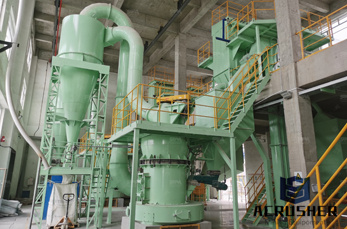
Aug 15 2017 the materials reach temperatures of 2500f to well above 3000f in the kiln rotary kilns are divided into two groups dryprocess and wetprocess depending on how the raw materials are prepared in wetprocess kilns raw materials are fed into the kiln as a slurry with a moisture content of 30 to 40 percent
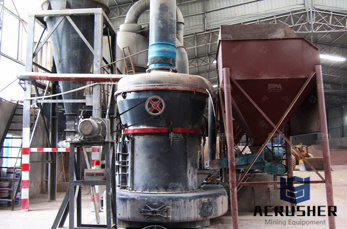
Wet process 1 mixing of raw materials in wash mill with 35 to 50 water 2 materials exiting the mill are called slurry and have flowability characteristics 3 size of the kiln needed for manufacturing of cement is bigger 4 raw material ca
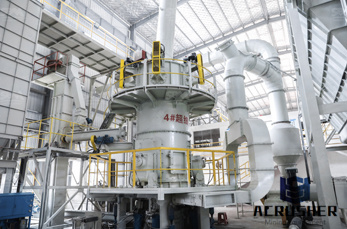
Rotary cement kilns can be classified into wetprocess kilns semidry kilns dry kilns preheater kilns and precalciner kilns all of these are described in the book by peray 1986 and many others hence we will not dwell upon them here rather we will briefly show the pertinent process chemistry and the heat requirements that drive them so
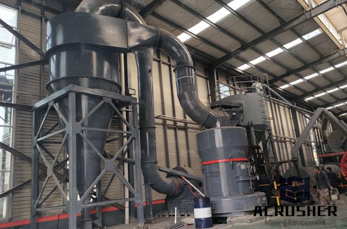
The original rotary cement kilns were called wet process kilns in their basic form they were relatively simple compared with modern developments the raw meal was supplied at ambient temperature in the form of a slurry a wet process kiln may be up to 200m long and 6m in diameter it has to be long because a lot of water has to be evaporated
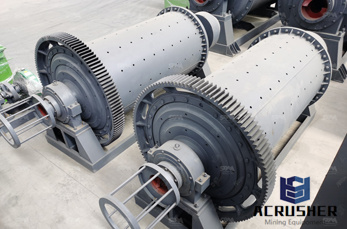
Wet process cement rotary kilns wet and dry cement rotary kiln the original rotary cement kilns were called wet process kilns dry process cement rotary kilns wet and dry cement rotary kiln in a modern works the blended raw material enters the kiln via the preheater tower
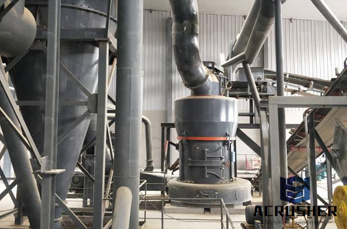
In spite of the tendency to replace wet process rotary kilns for cement production by modern dry process kilns with precalcination there are still a substantial number of wet process kilns in
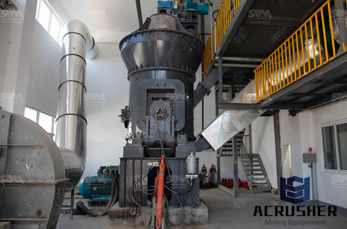
Wet process cement kiln the cement raw material is grinded with water powder into raw slurry 3340 water and then fed into the wet process rotary kiln and burn into cement clinker dry process cement kiln the cement raw materials are dried ground and calcined into the cement clinker in the dry process rotary kiln
WhatsApp)
 Online Chat
 Sales Hotline